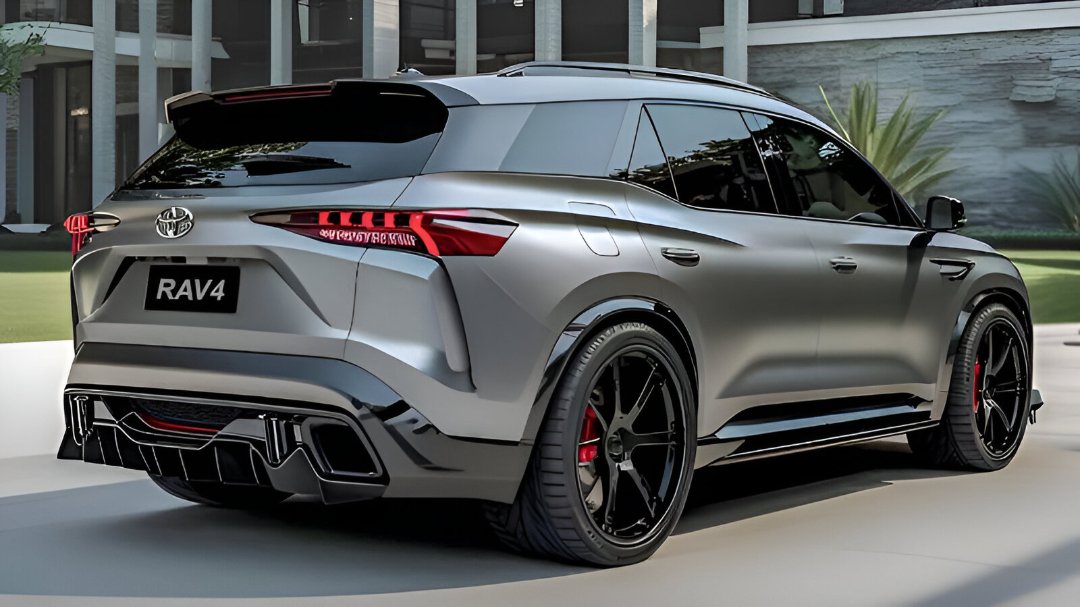
The automotive world is buzzing as Toyota unveiled the all-new 2026 version of the RAV4 — a dramatic transformation of one of the world’s most popular compact SUVs. With a complete shift to hybrid and plug-in hybrid powertrains, bold design changes, modern technology, and claims of impressive economy, this new RAV4 aims to redefine what a mainstream SUV can offer. For drivers looking for efficiency, versatility, and a future-ready ride, the 2026 RAV4 might just set a new standard. In this article, we explore every detail: the powertrain, design, interior, performance, fuel economy, trims, tech features — and why the 2026 RAV4 could be among the most compelling SUVs of its generation.
2026 RAV4: A Full Electrified Turn — Only Hybrid & Plug-in Now
Toyota has officially dropped the traditional petrol-only powertrain for the 2026 RAV4. Instead, every variant is now offered exclusively with hybrid electric vehicle (HEV) or plug-in hybrid electric vehicle (PHEV) drivetrains.
In HEV form, the SUV uses a 2.5-litre inline-four petrol engine married to Toyota’s modern hybrid system, producing 226 hp with front-wheel drive (FWD) and 236 hp with all-wheel drive (AWD). For those seeking more power, the PHEV version packs a potent punch: a larger battery pack (22.7 kWh) and combined system output reaching 320 hp, along with standard AWD.
This electrified-only strategy signals Toyota’s commitment to efficiency and environmental responsibility — and positions the 2026 RAV4 as a forward-looking SUV aligned with global trends.
Bold New Design: Exterior Reflects Strength & Modern SUV Character
The 2026 RAV4’s exterior is striking, adopting a more muscular and modern look under Toyota’s “Hammerhead” design language.
Notable styling features include sharp C-shaped LED headlights, a sculpted hood, bold fenders with black cladding, and a full-width black light bar at the rear that houses the tail lights — giving it a distinctive presence both day and night. Depending on the trim — which now includes Core (everyday), Rugged (off-road ready), and Sport (performance / style) themes — the 2026 RAV4 offers a variety of looks to suit different tastes.
Wheels range roughly between 17 to 20 inches depending on grade, and higher trims get wider tires and rugged styling for a more aggressive SUV stance.
Overall, the new RAV4 combines toughness and sophistication — a design that reflects its hybrid core without losing the SUV’s rugged DNA.
Interior, Comfort & Tech Upgrades – Modern Cabin That Matches Expectations
Inside, the 2026 RAV4 receives a serious update. Toyota has moved toward a more digital and refined cabin, with new screens, improved ergonomics, and advanced tech.
A 12.3-inch digital instrument cluster comes standard across the lineup. For infotainment, buyers can choose between a 10.5-inch or a larger 12.9-inch center touchscreen, powered by Toyota’s new Arene software platform — supporting wireless Apple CarPlay/Android Auto, better user interface, and future-proof OTA updates.
The cabin layout shows thoughtful modernisation: shift-by-wire transmission frees up center console space; physical switches remain for crucial controls (like climate), making operation easier than touchscreen-only alternatives.
Premium trims offer features like leather seats, sunroof, better upholstery, and refined finishing; while even base trims aim to deliver SUV practicality with versatility and comfort.
Performance & Driving Experience: Hybrid Efficiency Meets SUV Utility
On the road, the hybrid RAV4 delivers a balanced mix of power, comfort, and practicality. The standard hybrid AWD version reportedly accelerates from 0–60 mph in about 7.1 seconds, which is quite respectable for a compact SUV.
The hybrid drivetrain offers smooth, responsive performance — good for city driving and daily commutes — while AWD adds extra confidence for rough or slippery roads.
If you opt for the PHEV model, the driving experience shifts: instant electric torque gives brisk acceleration, and with 320 hp under the hood combined with AWD, the PHEV becomes one of the more performance-oriented SUVs in its class.
Suspension tuning and chassis improvements (on the TNGA-K platform) ensure a quieter, stable ride with reduced noise and vibrations, contributing to a more refined driving feel than older RAV4 generations.
Overall, the 2026 RAV4 manages to preserve SUV strengths — space, comfort, utility — while delivering modern hybrid efficiency and performance.
Fuel Economy & Realistic MPG – Is 60 MPG Possible?
One of the most attractive claims surrounding the 2026 RAV4 is its improved fuel efficiency. With hybrid powertrains becoming standard, Toyota estimates the most efficient configuration could deliver up to 44 mpg combined.
Some reports and early promotional material suggest optimistic mileage estimates reaching up to 58–60 mpg (when driven in very efficient conditions), especially for the FWD hybrid variants. However, official real-world verified fuel economy numbers are yet to come; such high numbers depend heavily on driving conditions, terrain, and usage patterns.
For PHEV variants, the all-electric driving range has increased to about 50 miles (≈ 80 km) on a full charge — a significant improvement over previous generations.
If you primarily drive short distances and have access to charging, the PHEV could offer near-EV level efficiency — reducing fuel usage dramatically. For long drives, the hybrid offers a balanced combo of power and efficiency, making the 2026 RAV4 a versatile option for both city and highway driving.
Trim Levels, Variants & What Each Offers
Toyota has restructured the 2026 RAV4 lineup into distinct design themes and trims to appeal to different buyer needs: “Core,” “Rugged/Woodland,” and “Sport/GR SPORT.”
- Core (LE, XLE, Limited) — The everyday, practical version offering hybrid power, standard comfort, and essential features. Good for city driving, daily commuting, and family use.
- Rugged / Woodland (Adventure-oriented) — Geared toward buyers who like occasional off-road or rough-terrain usage. Offers higher ride height, all-terrain tires, AWD, and a tougher look.
- Sport / GR SPORT (Performance / Style focused) — For enthusiasts who want dynamic driving, sporty styling, and PHEV performance. GR tuning, aggressive design elements, and sporty suspension make this trim stand out.
Across trims, the hybrid drivetrain remains common — giving flexibility whether you prefer efficient commuting, occasional adventure, or spirited driving.
Next-Gen Tech & Safety – Modern SUV, Safety-First Thinking
A major highlight of the 2026 RAV4 is its leap in technology integration. The SUV introduces Toyota’s new Arene software platform, which powers the updated infotainment and provides over-the-air updates, future-proofing the system.
Inside, you get a digital instrument cluster, large touchscreens (10.5-inch or up to 12.9-inch depending on trim), wireless smartphone integration (Apple CarPlay / Android Auto), and a clean, modern cabin layout.
Safety remains a priority. Toyota’s suite of driver assistance and safety systems — including adaptive cruise control, pre-collision detection, advanced braking aids, and improved crash protection thanks to a strengthened chassis — come standard or as options depending on the trim.
For families, commuters, and adventurous drivers alike, the 2026 RAV4 offers a mix of practical, modern, and safe driving features — hard to find in this segment.
Who Should Buy the 2026 RAV4? Who Needs to Wait or Consider Alternatives?
The 2026 RAV4 is ideal for:
- Drivers who want a reliable SUV that balances performance and fuel-efficiency.
- Families needing space, comfort, and versatility without sacrificing economy.
- Commuters seeking hybrid efficiency for urban and suburban driving.
- Adventure seekers who occasionally travel on varied terrains — the Woodland/Rugged variant suits them well.
- Buyers who prefer modern infotainment, safety, and comfort features in an SUV.
However, some may want to wait or consider alternatives if:
- They need a pure electric vehicle (EV) instead of hybrid/PHEV.
- Their priority is lowest possible price — hybrid/PHEV systems tend to raise base price.
- They don’t have access to charging infrastructure, which limits PHEV’s advantage.
Overall, given rising fuel costs worldwide and shifting regulatory norms, the 2026 RAV4 represents a smart middle path — offering many EV-like benefits while retaining SUV practicality.
Potential Challenges & What Buyers Should Watch Out For
While 2026 RAV4 brings many positives, there are a few caveats one should consider:
- As the hybrid-only strategy becomes mandatory, entry-level variants may become more expensive compared to older petrol-based RAV4s.
- Real-world fuel economy may vary significantly depending on driving style, terrain, and usage — official estimates are promising but are best-case numbers.
- PHEV models require access to charging infrastructure. Long drives without recharging will rely on hybrid mode, reducing fuel savings.
- Availability may vary by market; for example, Toyota has not yet confirmed launch details or pricing for all regions (especially outside U.S., Japan, and Europe).
So, for prospective buyers — a little planning and realistic expectation-setting will be important before pulling the trigger.
How 2026 RAV4 Compares to Previous Generations & Competitors
Compared to older generations, the 2026 RAV4 marks a significant shift: hybrid becomes standard, design is fresh and bolder, tech stack is modernized, and performance figures are improved. The plug-in hybrid (PHEV) version, with 320 hp and AWD as standard, stands out as a major upgrade over previous RAV4s.
Compared with many rival compact SUVs — that still rely on petrol or diesel engines — the new RAV4 offers a compelling case: better fuel efficiency, lower operating cost, more tech, and hybrid credibility. For those who care about long-term fuel cost and environmental impact, RAV4 could be among the smarter choices.
Moreover, the addition of trims like Woodland (for adventure / light off-road) and GR SPORT (for sporty driving) shows Toyota’s intention to cover a very wide audience — from family SUV buyers to driving enthusiasts.
The 60 MPG Claim — Realistic or Marketing Hype?
One of the most attractive points being circulated about the 2026 RAV4 is its “up to 60 MPG” potential. This figure appears in some early spec sheets and media previews.
But is it realistic? The answer: maybe — under optimal conditions. City driving with frequent starts and stops, or aggressive driving, may yield lower real-world economy. Hybrid SUVs often deliver their best MPG numbers under light-load, city commuting, gentle acceleration, and moderate speeds.
In real-world tests (according to early reviews), the RAV4 Hybrid AWD has shown combined fuel economy around 36 mpg in highway conditions. That’s decent, but far from 60 mpg. The FWD hybrid variant will likely show better numbers, especially in city traffic, but nothing is yet confirmed by regulators or independent testing.
Hence, while the 60 MPG claim is attractive and possible under ideal usage, buyers should remain realistic — treat it as “best case under perfect conditions,” not everyday expectation.
Why the 2026 RAV4 Matters – For Toyota, Consumers, and the SUV Segment
The 2026 RAV4 matters for multiple reasons:
- Toyota’s Strategic Move — By making hybrid and PHEV standard, Toyota is signalling its broader shift toward electrification, while acknowledging market readiness and infrastructure limitations.
- Consumers Getting Value — For buyers, this means access to SUV practicality, hybrid efficiency, performance, technology, and safety — all in one package.
- SUV Segment Evolution — With rising fuel costs, environmental regulations, and changing consumer preferences, cars like 2026 RAV4 may push the SUV segment toward hybrid/higher-efficiency norms, making traditional petrol SUVs less relevant over time.
In short: 2026 RAV4 represents what many automakers and consumers are looking for — a practical, efficient, and future-ready SUV without compromising on versatility.
Conclusion
The 2026 Toyota RAV4 sets a compelling benchmark. It combines hybrid and plug-in powertrains, strong performance, bold design, modern tech, and a wide range of trims to cater to different kinds of buyers. Its shift to electrified-only powertrains marks a bold step, balancing the demands of performance, efficiency, and environmental responsibility.
If you want an SUV for daily commuting, occasional family trips, weekend adventures, or a mix of all — the new RAV4 offers a convincing all-rounder package. However, realistic expectations regarding fuel economy, understanding trim-based pricing, and assessing charging or driving needs will be key.
As global automobile markets evolve, the 2026 RAV4 emerges not just as an update — but as a statement of where SUVs are heading: smarter, cleaner, versatile, and more efficient. For many buyers, it could well be the ideal SUV for the next decade.